
When planning a cultural getaway to the south-west of England, securing Bristol Museum and Art Gallery tickets is often at the top of the itinerary. Visitors are routinely pleasantly surprised to learn that this world-class institution offers free general admission to all its permanent galleries. Situated on Queens Road in the university district, the grand Edwardian building houses an encyclopaedic collection that spans millions of years of history, from prehistoric fossils to contemporary artworks. As one of the most prominent free museums Bristol has to offer, it serves as a cornerstone of the city’s cultural landscape. Stepping through its majestic front doors, you are greeted by soaring ceilings and an atmosphere of quiet discovery. The ground floor opens up into a vast hall, leading explorers into a myriad of rooms dedicated to different epochs and disciplines. Whether you are an amateur geologist, a lover of classical antiquity, or an enthusiast of European oil paintings, the space provides an exhaustive journey through human and natural history. It stands out not merely for the sheer volume of objects on display, but for the meticulous curation that connects local heritage with global narratives.
The building itself is a Grade II listed architectural triumph, featuring sweeping staircases and ornate balconies that provide a fittingly dramatic backdrop for the treasures within. Over the years, the institution has continually evolved, integrating modern interactive displays with traditional glass-case exhibitions to cater to modern sensibilities. For anyone compiling a list of the best museums in Bristol, this venue is unequivocally the benchmark against which others are measured. The museum continually refreshes its appeal through a rotating schedule of temporary displays, ensuring that repeat visitors always encounter fresh perspectives. It operates with a strong educational mandate, frequently collaborating with local schools and universities to foster a deeper understanding of the world. From the meticulously preserved taxidermy specimens that reflect the biodiversity of the British Isles to the sprawling galleries dedicated to ancient civilisations, every room is designed to provoke thought and curiosity. This comprehensive approach ensures that whether you have an hour to spare or an entire day to dedicate to exploration, the experience remains enriching and deeply informative.
Exploring Bristol Natural History Exhibits and Collections
The Dinosaurs and Prehistoric Life Geology and Minerals of the South West Local Wildlife and Taxidermy
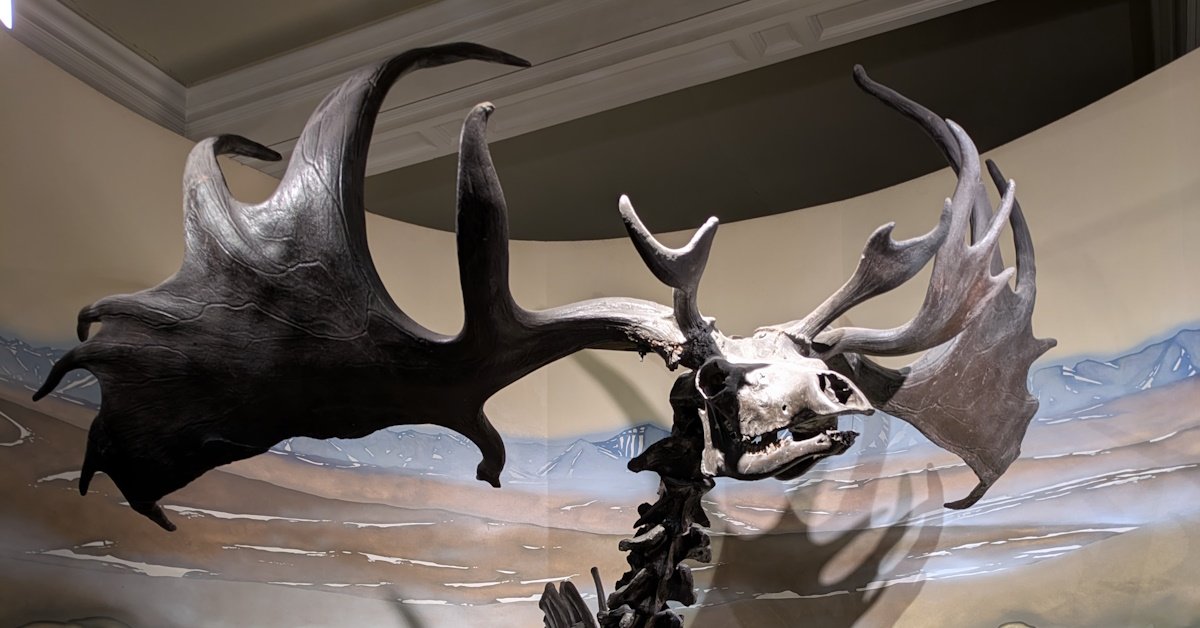
For those captivated by the ancient past, the Bristol natural history exhibits provide an extraordinary window into the planet’s evolutionary timeline. The journey begins with the palaeontology department, which is renowned across the country for its exceptional quality and scope. The dinosaur exhibition features the formidable Scelidosaurus, which is often considered one of the most complete dinosaur skeletons ever found in the United Kingdom. Standing beneath these towering prehistoric structures, visitors gain a profound appreciation for the sheer scale and dominance of the creatures that once roamed the earth. The displays are augmented by detailed fossil records, illuminating the ancient marine environments that characterised the region millions of years ago. A particular favourite amoung visitors is the Meglaceros exhibit (featured image), it is is a prime example of megafauna.
Moving beyond the dinosaurs, the geology and minerals subsection delves into the subterranean makeup of the south-west. The region is famous for its unique rock formations and rich mineral deposits, all of which are meticulously catalogued here. Visitors can inspect glittering geodes, rare crystals, and the distinctive local limestone that has shaped the area’s landscape and architecture. The curators have arranged the geological timeline to show how tectonic shifts and glacial movements carved out the Avon Gorge and surrounding valleys. This detailed geological narrative provides essential context for understanding the natural resources that later drove the city’s industrial development.
The local wildlife and taxidermy displays offer a contrasting, more recent view of nature. Here, the focus shifts to the biodiversity of the British Isles, showcasing carefully preserved specimens of mammals, birds, and insects. These galleries highlight the delicate ecological balance of local habitats, from coastal estuaries to dense woodlands. The taxidermy is historical in nature, reflecting Victorian and Edwardian approaches to natural science, yet it is framed within a modern conservation context. Educational placards challenge visitors to consider the impact of human activity on native species, transforming a traditional display into a prompt for environmental awareness.
Fast Facts
- Venue: Bristol Museum and Art Gallery, Natural History Galleries
- Address: Queens Road, BS8 1RL
- Dates and Times: Tuesday to Sunday, 10:00 am to 5:00 pm (Closed Mondays)
- Closest parking is Barclay Square. For almost guaranteed parkin space use West End Car Park or Trenchyard Street Car Park.
World Cultures and Antiquities at Bristol Natural History Museum
The Egyptology Collection Assyrian Reliefs and Ancient Middle East Asian Ceramics and Arts
The ground and first floors transport visitors far beyond the borders of the United Kingdom, housing an internationally significant collection of antiquities. The Egyptology collection remains one of the most popular attractions within the building, drawing scholars and tourists alike. This gallery features elaborately decorated sarcophagi, intricate burial amulets, and mummified remains that provide crucial insights into ancient Egyptian beliefs surrounding the afterlife. The curation carefully explains the complex rituals of mummification and the societal structures of the pharaohs, ensuring that the artefacts are presented with both academic rigour and deep respect for their cultural origins.
Adjacent to the Egyptian artefacts, the Assyrian reliefs command attention. These massive stone carvings, dating back to the mighty Assyrian Empire in the ancient Middle East, depict scenes of royal conquests, religious ceremonies, and mythical winged figures. The sheer scale and detail of the reliefs highlight the advanced craftsmanship of ancient Mesopotamian societies. These panels were originally designed to line the walls of royal palaces, and their presence in the south-west of England is a testament to the extensive archaeological acquisitions made during the nineteenth and twentieth centuries. The accompanying explanatory texts provide necessary historical context, detailing the rise and fall of the empires that created these monumental works.
The Asian ceramics and arts galleries offer a transition into the refined craftsmanship of the East. This section boasts an exceptional array of Chinese porcelain, intricate jade carvings, and Japanese woodblock prints. The collection of Chinese glass is particularly renowned, featuring delicate, vividly coloured pieces that demonstrate extraordinary technical skill. Visitors can trace the development of ceramic techniques across different dynasties, observing how trade routes influenced artistic styles across the continent. The serenity of this gallery provides a quiet space for contemplation, allowing visitors to appreciate the subtle aesthetics and profound philosophical themes embedded in the Eastern artistic traditions.
Bristol Art Gallery Collections and Fine Art
European Old Masters French Nineteenth-Century Paintings Contemporary and Modern Pieces
Ascending to the upper floors, the focus shifts entirely to the visual arts, where the Bristol art gallery collections are displayed in spacious, naturally lit rooms. The European Old Masters gallery is a highlight, featuring prominent works from the Renaissance through to the Baroque period. This collection includes striking religious altarpieces, dramatic mythological scenes, and formal portraits that reflect the political and social dynamics of early modern Europe. The brushwork, use of chiaroscuro, and allegorical symbolism found in these paintings provide a comprehensive overview of European art history, giving visitors the opportunity to study the techniques of legendary painters up close.
The gallery’s commitment to European art extends seamlessly into the French nineteenth-century paintings section. Here, the atmosphere lightens with the introduction of early Impressionist works, romantic landscapes, and pastoral scenes. The collection captures the pivotal moment when artists began to move away from rigid academic constraints towards capturing the fleeting effects of light and atmosphere. Visitors can observe the shifting attitudes towards nature and daily life, as depicted by some of the era’s most innovative painters. The curation highlights the influence of these French movements on British artists, creating a dialogue between the different national schools of painting.
Moving into the twentieth and twenty-first centuries, the contemporary and modern pieces challenge traditional perspectives and embrace new mediums. This section often hosts temporary exhibitions Bristol museum curators have specifically designed to reflect current social issues and modern aesthetics. The modern art collection includes works by the Camden Town Group, British surrealists, and influential post-war abstract artists. There is also a concerted effort to feature local contemporary artists alongside international names, ensuring the gallery remains relevant to the current cultural climate. The juxtaposition of modern installation art with traditional canvas painting creates a dynamic viewing experience that encourages debate and personal interpretation.
Premium Exhibitions and Ticketed Events at Bristol Natural History Museum
While the permanent collections offer remarkable value with their free entry policy, Bristol Museum and Art Gallery also hosts an impressive rotation of premium, ticketed exhibitions that draw crowds from across the country. Housed in dedicated exhibition suites, these temporary showcases are meticulously curated to offer deep dives into specific artistic movements, historical phenomena, or scientific wonders. They provide a dynamic contrast to the permanent galleries, ensuring that the museum’s offerings remain fresh and globally relevant.
These premium events are frequently accompanied by enhanced programming designed to elevate the visitor experience. For instance, the museum periodically hosts “Lates”—exclusive after-hours events where guests can explore the premium exhibitions with a drink in hand. These vibrant evenings often feature live DJs, creative sketching activities, and spectacular projection mapping in the museum’s rear hall. Additionally, specialized curator talks offer unparalleled, expert insights into niche topics, ranging from the intricacies of ancient ceramic glazes to the evolutionary biology of color in nature. Purchasing a ticket to one of these temporary exhibitions not only guarantees a world-class cultural experience but also provides vital financial support for the institution’s ongoing educational mission.
Planning Your Visit: Bristol Museum Opening Times and Tips
Finding Budget-Friendly Bristol Attractions Things to Do in Bristol with Kids Amenities, Accessibility, and the Cafe
Proper planning ensures that visitors can make the most of their time navigating this expansive building. Familiarising yourself with the Bristol museum opening times is the first essential step; the doors are open to the public from Tuesday to Sunday, between 10:00 am and 5:00 pm, while remaining closed on Mondays, except for specific bank holidays. Because the venue requires no entrance fee for its permanent galleries, it ranks exceptionally high on the list of budget-friendly Bristol attractions. This open-access policy allows travellers and locals alike to return multiple times without financial strain, making it an ideal destination for those travelling on a tight schedule or a strict budget.
For families compiling an itinerary of things to do in Bristol with kids, this institution is remarkably accommodating. The layout is designed to engage younger minds, moving away from purely passive observation towards active participation. There are dedicated interactive zones, tactile displays where children can handle specific historical objects, and a dedicated under-fives play area known as Curiosity. Furthermore, the museum regularly hosts family-oriented workshops during school holidays, focusing on everything from fossil hunting to creative arts and crafts. These initiatives ensure that children remain entertained and educated, alleviating the typical stress associated with family sightseeing.
The practical amenities provided within the building guarantee a comfortable experience for all guests. Accessibility is a priority, with wide corridors, reliable lift access to all exhibition floors, and wheelchair-friendly facilities located throughout the premises. After several hours of walking the galleries, the ground-floor cafe offers a welcome respite. The cafe serves a selection of locally sourced sandwiches, hot meals, and excellent coffee in a relaxed setting beneath the vaulted ceilings. Additionally, the adjacent gift shop provides a range of educational toys, books, and replicas, allowing visitors to take a physical memento of their educational journey home with them.
Concluding a full day of historical and artistic exploration requires a comfortable base of operations. The sheer volume of artefacts, from ancient Egyptian sarcophagi to contemporary British art, demands both physical stamina and mental engagement. Reflecting on the exhibits over a quiet evening allows the educational value of the visit to fully settle. The university district, where the galleries are situated, offers numerous nearby dining options and public parks, but having a comfortable, independent space to retreat to is absolutely essential for a relaxing holiday. Finding the right accommodation allows you to process the day’s discoveries at your own pace, away from the bustling city crowds. The ideal lodging should provide proximity to major transport links, such as Temple Meads station and the local bus network, while maintaining a peaceful residential atmosphere. This strategic positioning gives you the freedom to prepare for the next day’s itinerary in total comfort, whether you plan to explore the nearby Clifton Suspension Bridge, walk the historic harbourside, or delve back into the municipal archives.